The Respiratory Protection Quarterly ISSN · 2025-FT · Published by Automotive Risk Management Partners
Field Note · No. 014 OSHA 29 CFR 1910.134

Respirator fit testing, in plain English.

A high-level walk-through of OSHA's respirator fit-testing rule — 29 CFR 1910.134 — for dealership body shops: who needs testing, how it's done, and the records an inspector asks to see.

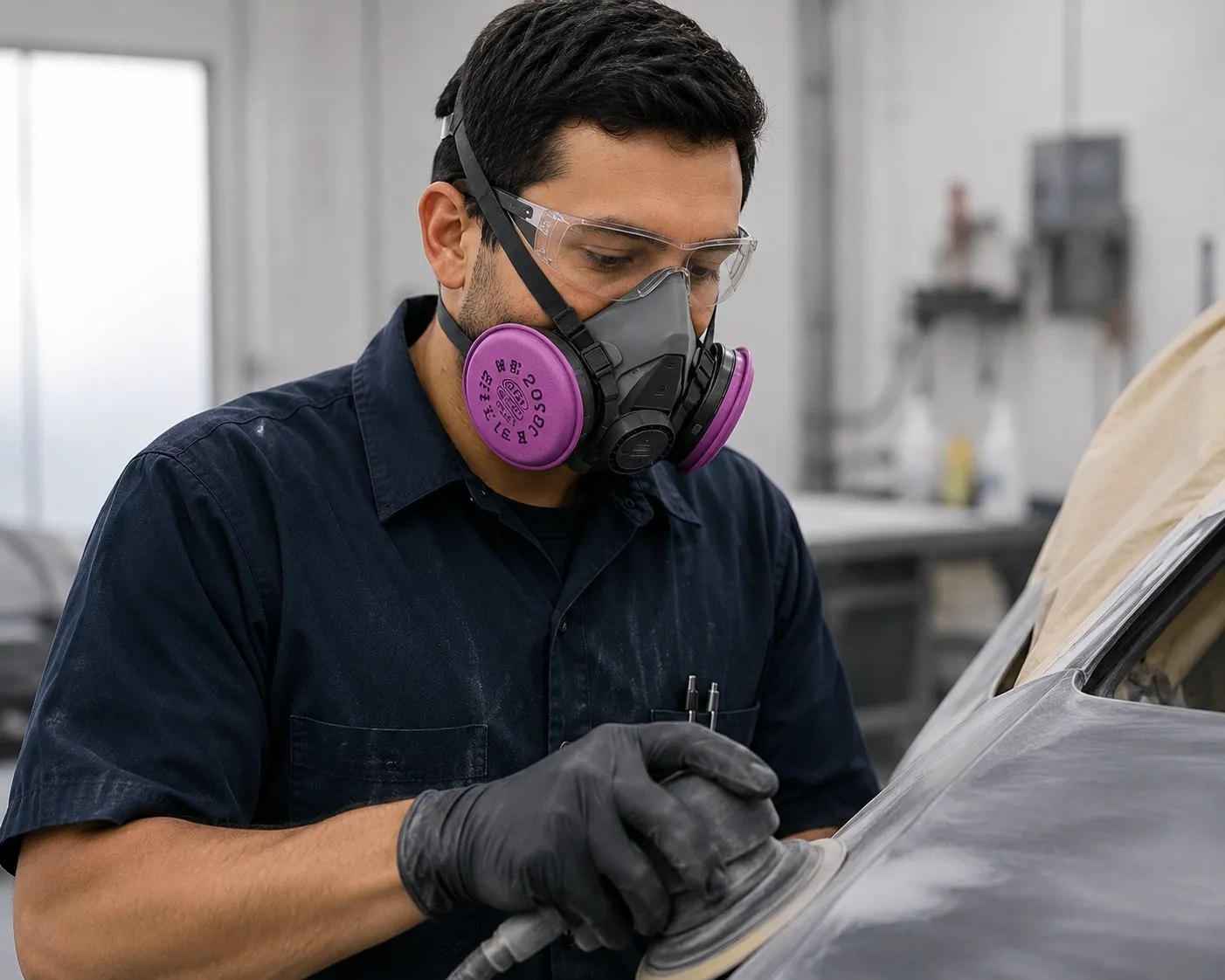
Fig. 01 · Half-face cartridge respirator
A half-face cartridge respirator used for fit testing in an auto body shop
DWG · FIT-0001 REV · 2026.06 CLASS · NEG. PRES.

Respirator fit testing under 29 CFR 1910.134 is among the most-cited standards in franchise body shops¹ — not because the test is hard, but because the prerequisites slip: a written program, a medical evaluation before the mask, the right protocol, an intact seal, and a record kept for each worker². This is a plain-English overview of what the standard asks for, and what an inspector asks to see.

§ 02 · Calibration

Reference figures, for context.

1910.134(f)(2)
12 months
Minimum re-test interval
29 CFR App. A
100 :1
QLFT fit-factor ceiling
29 CFR App. A
500 :1
QNFT min · full facepiece
29 CFR App. A
4 methods
Accepted QLFT agents
Fig. 02 · Fit factor — quantitative
Gauge illustrating a respirator fit factor reading against the required threshold

The fit factor expresses the ratio of ambient contaminant concentration to measured leakage within the facepiece. For tight-fitting half-mask negative-pressure respirators, OSHA requires a minimum quantitative fit factor of 100:1. Full facepiece protections require 500:1, and supplied-air systems may demand fit factors orders of magnitude higher.

A quantitative test passes only once the measured fit factor meets the minimum for that respirator class. The result is tied to the specific make, model, and size tested — a pass on one facepiece does not transfer to another.

What the rule
requires.

i.
1910.134(c)

A written program comes first.

Before anyone is tested, the employer must have a written respiratory protection program with a named administrator, covering respirator selection, medical evaluation, fit testing, training, and maintenance. Fit testing is one piece of that program, not a substitute for it.

ii.
1910.134(e)

Medical evaluation before the mask.

Each worker must be medically evaluated and cleared by a physician or other licensed health-care professional before being fit tested or wearing a respirator on the job. Wearing a respirator is a physical load; the clearance comes first.

iii.
1910.134(f)(2)

Test before first use, then annually.

A fit test is required before a worker first uses a tight-fitting respirator, whenever a different facepiece is introduced, and at least every twelve months thereafter. A lapsed annual is one of the most common findings in a body-shop inspection.

iv.
Appendix A, 1910.134

Use an accepted protocol.

Tests must follow an OSHA-accepted method — qualitative (isoamyl acetate, saccharin, Bitrex, or irritant smoke) or quantitative (e.g. PortaCount or Quantifit) — including the prescribed exercise sequence. The result is specific to the make, model, and size tested.

v.
1910.134(g)(1)(i)

Nothing may break the seal.

A tight-fitting respirator can't be worn with facial hair or anything that crosses the sealing surface. Conditions that affect the seal — facial hair, scarring, dental work, weight change — have to be considered at the time of the test.

vi.
1910.134(m)(2)

Keep the record.

The employer must keep a record of each fit test — the worker's name, the test type and date, the respirator make/model/size, and the result — and make it available to OSHA and to the worker. The record is what an inspection ultimately turns on.

A fit-test citation almost never originates with the test itself. It originates with the absence of the record — or the medical evaluation that was supposed to come before it.

§ 05 · Who we are

Compliance, handled — so the shop can run.

Automotive Risk Management Partners (ARMP) is an all-in-one dealership compliance and cyber-security platform for franchise dealers, RV dealers, and multi-rooftop groups. Respirator fit testing is one line on a long list — OSHA, EPA, the FTC Safeguards Rule, F&I, and data security all sit on the same desk. We help you cover the whole list, across every rooftop, with the records ready before anyone asks for them.

What we cover
  • OSHA HazCom & SDS management
  • Respirator fit testing · this rule
  • EPA 6H surface coating
  • FTC Safeguards & data security
  • F&I & consumer protection
  • Employee training & live audits

Frequently cited questions.

01. Which employees require fit testing? +

Any worker required to wear a tight-fitting respirator on the job — body shop painters, prep technicians, anyone spraying isocyanates, solvents, or two-part urethanes, and anyone sandblasting or grinding under respiratory protection. 1910.134(f) requires testing before initial use and at minimum annually thereafter.

02. Qualitative or quantitative — which is needed? +

Qualitative (QLFT) relies on the wearer detecting a test agent such as Bitrex or saccharin and is acceptable for half-mask respirators where the required fit factor is 100 or less. Quantitative (QNFT), using an instrument such as a PortaCount or Quantifit, is required for full-face negative-pressure respirators and any application demanding a fit factor above 100.

03. How are bearded workers handled? +

29 CFR 1910.134(g)(1)(i) prohibits tight-fitting respirator use with anything that interferes with the face-to-facepiece seal, so a worker must be clean-shaven where the facepiece seals on the day of the test. A loose-fitting powered air-purifying respirator (PAPR), which doesn't rely on a tight seal, is the common alternative for workers who keep facial hair.

04. How long must fit-test records be kept? +

OSHA requires the record be retained until the next fit test is administered — at least twelve months. Many employers keep them longer so they hold a complete history for each worker, which inspectors increasingly ask to see during follow-up visits.

05. Does one fit test cover every respirator? +

No. A fit test is specific to the make, model, and size of the facepiece. A worker who switches to a different respirator model must be retested on that model — and retested at least annually, plus any time a physical change (weight, dental work, facial surgery, scarring) could affect the seal.

06. Who is allowed to perform a fit test? +

OSHA doesn't mandate a specific certification to administer a fit test, but the person has to perform the chosen protocol correctly. Many dealerships use a trained in-house administrator or an outside provider; either way, the employer remains responsible for the written program, the medical evaluations, and keeping the records.

§ 07 · In closing

Recordkeeping is the entire battle.

Most fit-test citations aren't about a failed test — they're about a missing record, a lapsed annual, or a medical evaluation that never happened.